Modern Architecture Trends Shaping Urban Living

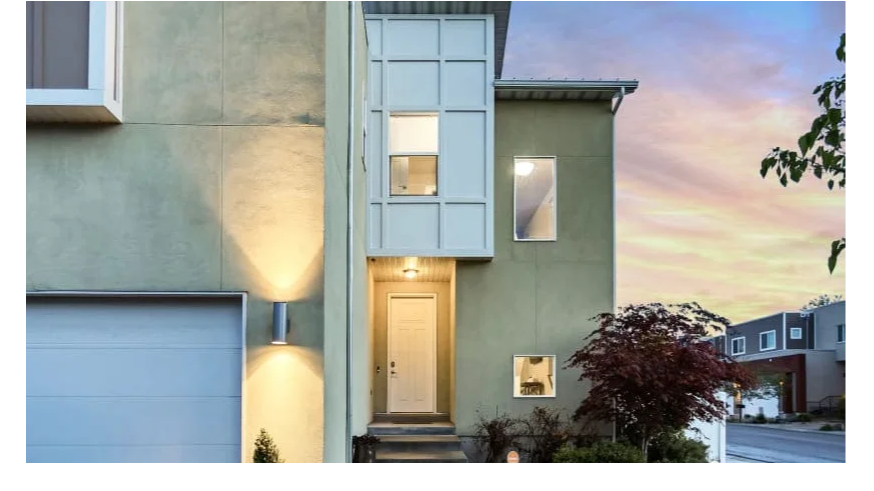
Urban living is evolving rapidly, and so is the architecture that defines it. Modern architecture is no longer just about aesthetics; it’s about creating functional, sustainable, and inspiring spaces that enhance city life. As cities grow denser and lifestyles become more dynamic, understanding the latest architectural trends can help homeowners, developers, and real estate enthusiasts make informed decisions.
1. Sustainable and Eco-Friendly Design
Sustainability is no longer optional in urban architecture—it’s a necessity. Green buildings, energy-efficient systems, and eco-conscious materials are at the forefront of modern design. Architects are integrating solar panels, rainwater harvesting, and smart energy management into urban homes and commercial spaces. This not only reduces environmental impact but also lowers utility costs for residents.
2. Smart Homes and Integrated Technology
Technology is transforming urban living. Smart homes equipped with automated lighting, climate control, security systems, and voice-activated devices are becoming increasingly popular. Integration of IoT (Internet of Things) in architecture allows residents to experience convenience and safety while maintaining modern aesthetics.
3. Open-Plan and Flexible Spaces
Urban spaces are often limited, and architects are responding with open-plan layouts and multifunctional interiors. Removing unnecessary walls, combining living, dining, and kitchen areas, and designing adaptable spaces allow for more natural light, better airflow, and a sense of spaciousness—even in compact apartments.
4. Minimalism with Bold Accents
Minimalist architecture continues to dominate urban landscapes, but designers are now adding bold accents to create character. Think clean lines, neutral palettes, and uncluttered spaces complemented by statement walls, textured surfaces, or artistic installations. This balance of simplicity and creativity appeals to modern urban dwellers.
5. Biophilic Design
The connection between humans and nature is vital in busy urban settings. Biophilic design incorporates natural elements such as indoor plants, green walls, natural light, and organic materials to enhance mental well-being and create a calming environment. Apartments and office spaces with biophilic elements are increasingly sought after in cities.
6. Adaptive Reuse of Buildings
Urban real estate is witnessing a trend of converting old structures into functional modern spaces. Industrial warehouses, historic buildings, and unused commercial spaces are being repurposed into residential apartments, co-working hubs, or retail complexes, blending heritage with contemporary design.
Conclusion
Modern architecture in urban living is about more than visual appeal; it’s about sustainability, technology, functionality, and well-being. By embracing these trends, homeowners, architects, and developers can create spaces that meet the demands of modern city life while shaping a more sustainable and enjoyable urban environment.
Urban spaces are evolving, and so should our approach to design. Staying updated with these trends ensures that city living is not only stylish but also smart, comfortable, and future-ready.